
Product Category: Transport
"We have been really impressed in the impact SnapDragon have made to the protection of our brand and partners in a short amount of time. They have been very understanding of the complexities of protecting such an iconic brand, while taking into account risks to our reputation, and the sheer scale of online infringements."
- Ellen Sankey | Brand Licensing Manager at TfL
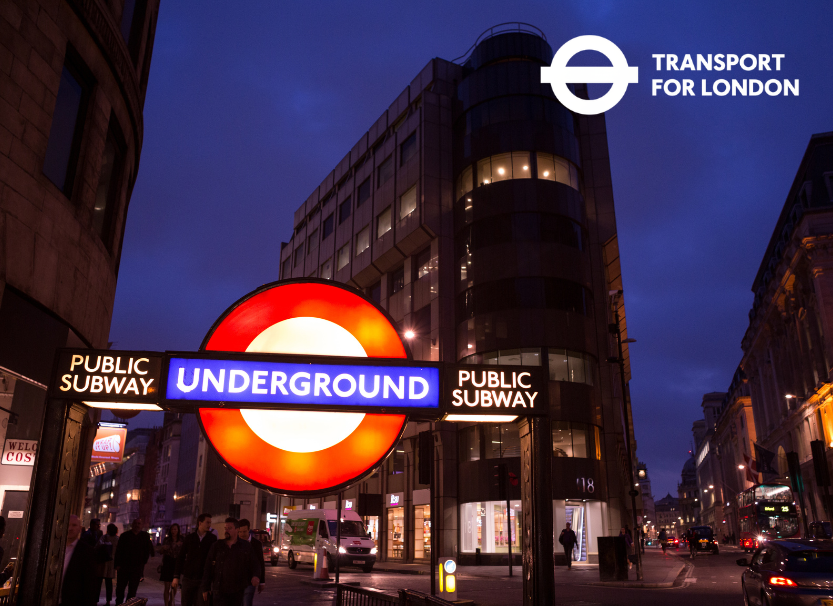
Transport for London (TfL) oversees one of the UK’s most iconic and commercially exposed brands. Its roundel logo (the bare and circle device) and transport marks are heavily targeted across print-on-demand platforms, online marketplaces and social media, where fraudsters promote scam offers and unauthorised merchandise at scale — particularly in the UK and US.
By partnering with SnapDragon, TfL implemented a structured, intelligence-led brand protection strategy from day one. Through detailed onboarding, weekly governance and close operational alignment, the strategy prioritised high-volume merchandise abuse, platform-specific risks (including Redbubble and Temu), scam activity and the careful protection of licensed partners.
In just six months, over 12,000 infringing listings were removed with a 90%+ success rate on key platforms such as Redbubble, Temu and domains. Beyond volume, TfL gained something more critical – a clearer view of its global threat landscape, faster response times and stronger control over how its brand appears online.
Transport for London (TfL) sought to strengthen its brand protection strategy as online infringement against its globally recognised trademarks increased in scale, speed and visibility. The organisation wanted greater control across digital channels and clearer insight into how, where and in what quantities its brand was being exploited.
As one of the UK’s most iconic public brands, TfL faces persistent misuse across print-on-demand platforms, online marketplaces and social media, where bad actors sell unauthorised merchandise and promote scam offers, including fraudulent Oyster card deals.
These threats create reputational and commercial risks, eroding consumer trust, disrupting licensed revenue streams and creating confusion between official and unauthorised sellers.
TfL needed a structured, expert-led strategy capable of delivering measurable enforcement impact and a strategic view of its evolving global threat landscape."Their software makes it so easy to instruct action, and the reporting presents valuable information in an easy to digest format, helping us to be adaptable month by month and problematic target sites and repeat offenders."
- Ellen Sankey | Brand Licensing Manager at TfL
The partnership began in 2025, with an immediate need to scale TfL’s online brand protection, including monitoring and enforcement activity.
Early assessments revealed that infringement volumes were significantly higher than previously captured, particularly across key PoD platforms, global marketplaces and social media channels. The UK, as well as the EU, remained the core area of concern given brand visibility and public exposure, while activity in the US – especially on platforms such as Amazon US and Temu US – were rapidly increasing.
The immediate focus was high-volume trademark misuse on merchandise not manufactured or authorised by TfL, alongside scam activity promoting fraudulent Oyster card offers. Print-on-demand platforms, including Redbubble, also required urgent attention due to the breadth of products being advertised without licensing oversight.
TfL operates an established licensing programme, making revenue protection a priority. Unauthorised sellers were diverting sales from legitimate licensees and diluting the value of official partnerships. By removing over 12,000 infringing listings within the first six months, SnapDragon helped safeguard licensed revenue streams, reduce consumer confusion and complaints, and protect the long-term commercial value of one of the UK’s most recognisable brands.
The partnership began in 2025, with an immediate need to scale TfL’s online brand protection, including monitoring and enforcement activity.
Early assessments revealed that infringement volumes were significantly higher than previously captured, particularly across key PoD platforms, global marketplaces and social media channels. The UK, as well as the EU, remained the core area of concern given brand visibility and public exposure, while activity in the US – especially on platforms such as Amazon US and Temu US – were rapidly increasing.
The immediate focus was high-volume trademark misuse on merchandise not manufactured or authorised by TfL, alongside scam activity promoting fraudulent Oyster card offers. Print-on-demand platforms, including Redbubble, also required urgent attention due to the breadth of products being advertised without licensing oversight.
TfL operates an established licensing programme, making revenue protection a priority. Unauthorised sellers were diverting sales from legitimate licensees and diluting the value of official partnerships. By removing over 12,000 infringing listings within the first six months, SnapDragon helped safeguard licensed revenue streams, reduce consumer confusion and complaints, and protect the long-term commercial value of one of the UK’s most recognisable brands.
Ongoing Brand Protection has significantly changed how TfL manages its brand reputation and risk.
Within the first six months, more than 12,000 infringing listings were removed with a 90%+ success rate, significantly improving enforcement volume and effectiveness. The main issue was high-volume unauthorised merchandise on print-on-demand platforms such as Redbubble and Temu. Sellers repeatedly used TfL’s most recognisable assets- including the roundel, Tube map and “Mind the Gap” slogan- across products such as clothing, posters and phone cases, often re-uploading listings after removal. This created a persistent enforcement challenge, driving consumer confusion and undermining legitimate licensing revenue.
The impact, however, goes beyond takedowns. TfL now has a much stronger understanding of where infringement occurs, which platforms present the greatest risk, and how threats differ by market. This has enabled faster response times, better prioritisation and more confident decision-making. For a globally recognised brand, that insight is critical to protecting consumer trust and supporting the value of its licensing programme.
Brand Protection has also improved operational maturity within the business. Through regular reporting, weekly governance and close collaboration, TfL now has a more responsive and strategic framework for addressing trademark misuse. This is particularly valuable in areas such as unauthorised merchandise, where enforcement must be carefully balanced to avoid disrupting legitimate licensees.
Overall, the brand protection programme has shifted brand protection to proactive risk management within six months.
Several factors supported strong early results.
TfL brought a broad IP portfolio and, critically, a clear understanding of its licensing ecosystem. This made it easier to enforce at scale, while distinguishing between legitimate sellers and malicious infringers. That clarity reduced enforcement risk and helped protect official partners.
Another key enabler was the way the partnership was established. Through detailed onboarding, regular governance and consistent communication, SnapDragon developed a strong understanding of TfL’s priorities from the outset. That early alignment ensured enforcement was focused on the areas of greatest risk and created an effective operating rhythm from day one.
The main barrier was not rights coverage, but the scale and persistence of the threat. As a highly visible and widely recognised brand, TfL will always face a degree of infringement, particularly on print-on-demand and high-volume marketplace platforms. The challenge was less about eliminating the issue entirely, but rather about containing and learning from it effectively.
TfL now has a much clearer view of the threat and a stronger framework to manage it strategically.
One of the clearest lessons from TfL is that effective brand protection is not just about removing infringements; it is about building the visibility, control and confidence needed to manage brand risk online.
For a leading brand as exposed as TfL, the real value came from understanding the scale and scope of the threats, then prioritising enforcement action to protect consumers, support licensed revenue and reduce reputational harm.
The key advice to other global brands is to treat brand protection as a strategic function, not a reactive one, that is aligned to long term business plans. Success depends on clear rights ownership, a strong understanding of the threat landscape, and close collaboration with a partner able to adapt enforcement to commercial priorities.
Transport for London (TfL) is the integrated authority responsible for most of London’s transport network, including the London Underground, London
Buses, London Overground, DLR, Elizabeth line, Trams, River services, major roads and cycling infrastructure. It uses technology and data – such as the TfL Go app, real-time travel information, and Oyster and contactless payments – to make journeys easier, more accessible and efficient for millions of customers. With a strong focus on sustainability, TfL is committed to improving air quality, reducing carbon emissions and promoting greener, more sustainable travel across the capital.
TfL has a successful brand licensing program that turns London’s iconic transport design assets, such as the Underground Roundel, Tube map, and moquette seating fabrics, into apparel, home goods, toys, and accessories. It is popular because it leverages over 160 years of British heritage, high-quality design, and deep nostalgia, making it both a stylish fashion choice and a beloved souvenir. All revenue is reinvested back into the transport. Collaborations with brands like Uniqlo, Pom Pom London, and Brio toys have produced items ranging from trainer collections, handbags and accessories, toy and games to hoodies and t-shirts featuring the “Mind the Gap” slogan.

Jet Doran
Brand Protection Director
Talk to an expert
Concerned about brand protection? We offer a free consultation to find the perfect plan for your budget and brand.