
Counterfeiting today is a whole new beast. It’s no longer hidden away on sketchy websites, but instead boldly marketing itself directly to consumers. On social media, it’s not uncommon to see brands, even early-stage and emerging ones, competing with their own counterfeiters in the same feeds.
As my colleague Joe recently pointed out in his blog, dupes and counterfeits shouldn’t be ignored, because ignorance really isn’t bliss. When fakes are rebranded as “dupes,” they look legitimate, feel familiar, and are often amplified by influencers, adverts, reviews and algorithms that people feel they can trust. That’s why consumers are more likely than ever to fall for them, and why brands can’t afford to look the other way.
The Rise of 'Smart Alternatives'
Due to the economic climate, price sensitivity and shopping around to compare prices has become habitual, easy and done in a few clicks for most shoppers. This has also been heightened by the increase of online shopping, direct to consumer channels and influencer marketing offering product research and advice openly to inform purchase decisions. On top of that, counterfeit sellers’ market fakes as ‘smart alternatives’ or ‘dupes’, which makes it feel harmless. Over time, convenience, price, and peer behavior make it seem normal even though it hurts brands and consumers in the long run.
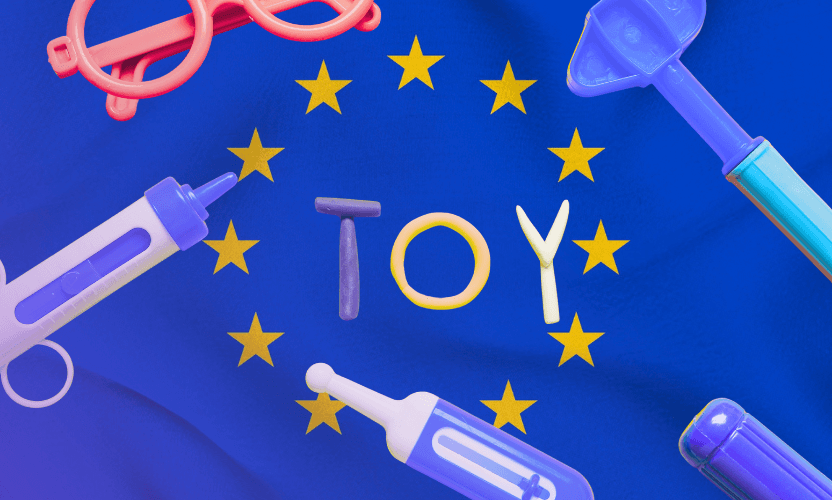
It’s getting harder to detect scam products because counterfeiters aren’t making obvious fakes anymore; they’re perfecting even the smallest details of genuine products. This makes detection even harder – AI technology and cloning is so frighteningly accurate nowadays that detecting the difference between an original and a counterfeit item is becoming an art form. In 2025 The European Anti-Fraud Office led an effort against fake and unsafe toys, seizing almost 11 million products sold online. Over 3.5 million items were confirmed as unsafe and even posed serious health risks.
There are three key reasons why consumers fall into the trap of purchasing fake toys when shopping online:
1. Professional E-commerce Listings and Fake Reviews:
Counterfeiters use high-quality images, detailed descriptions, and fake consumer reviews to make their products appear legitimate on well-known e-commerce and social media platforms.
2. Unbeatable Pricing and Black Friday Scams:
Fake toys are often sold at prices significantly lower than the genuine products, tempting consumers looking for a bargain—especially during holidays or sales events such as Black Friday.
3. Lack of Consumer Awareness:
Many consumers are unaware of the risks and signs of counterfeit toys, such as missing safety certifications, unusual or slightly different packaging than the genuine products, or unfamiliar seller profiles, making it easier for them to be deceived.
Bypassing CPSC Standards: Why Third-Party Testing Matters for Toy Safety
High‑quality scams across adverts, listings, and websites – piggybacking on social media is rapidly expanding since the zero click purchase journey became so easy and popular. Direct to consumer channels has also made counterfeiting a walk in the park, especially with the AI technology capabilities now widely available.
Last year a European study found that 96% of toys bought from non-European third-party sellers failed to meet safety standards, with 86% posing real dangers such as choking, poisoning, or internal injuries from small parts, magnets, and batteries. Plus, over 200,000 fake Labubu dolls were seized in the UK in 2025, and it was discovered that these counterfeits were made from inferior materials, posing choking hazards and even containing toxic substances.
Counterfeit toys often evade established safety standards by avoiding required testing, using unsafe materials, and bypassing regulatory checks—putting children at significant risk. Toys must undergo third-party testing by Consumer Product Safety Commission (CPSC)-accepted laboratories before being sold. These certified toys carry marks or documentation proving compliance, but this is rarely checked by purchasers.
That’s why it’s no surprise that the new EU Toy Safety Regulation was approved to implement on 1st January 2026, with full compliance required by all toy brands by 1 August 2030. These changes have been designed to enhance child safety and address the increase in risks from modern and digital toys. (More to come on this in the next blog article).
In just six steps a single shopper journey can go from a legitimate product search into a counterfeit sale:

Augmented Brand Protection: Lessons from Amazon & SnapDragon
As a father myself, it’s concerning the degree to which the toy industry is hit with counterfeit products. Counterfeit toys frequently lack proper labeling, warnings, and safety instructions for their purchasers, with many being sold through online marketplaces or non-reputable sellers, making it easier to evade regulatory oversight and more difficult for consumers to detect non-authentic products.
Amazon established a dedicated Counterfeit Crimes Unit to fight counterfeits, partnering with brands such as POP MART, Nintendo, and KONG, they seized 7 million counterfeit products in 2023 and conducted over 50 raids, demonstrating the importance of brand-marketplace collaborations.
Using a combination of AI technology and expert human intervention – in the same way we do at SnapDragon – Amazon’s CC Unit scans billions of product listings daily to detect and then block suspicious listings – often before they go live. However, not every marketplace, social media platform and domain provider has this in place.
We recommend that brands take these proactive steps to educate consumers so they can distinguish the difference between authentic products and counterfeit products:
"As a father myself, it’s concerning the degree to which the toy industry is hit with counterfeit products. Counterfeit toys frequently lack proper labeling, warnings, and safety instructions for their purchasers"
Michael Yap, Sales Executive, SnapDragon
How to Protect Your Brand from Counterfeits
- Develop explainer guides highlighting the main differences between genuine and fake products – packaging, labels, serial numbers
- Publish a list of official retailers and e-commerce channels on the brands website and social media encouraging consumers to only buy from these trusted sources
- Include QR codes or digital certificates of safety compliance that can be used to verify authenticity
- Respond quickly to any reports of suspected counterfeit products
- Provide guides and information to schools, parent groups or community organisations that educate families about counterfeit risks with toys
- Get online Brand Protection cover to fight back against fakes and safeguard your consumers, your reputation and your revenue.

Want to see how SnapDragon’s AI can protect your brand?
If you would like to explore how SnapDragon can accelerate your online brand protection, get in touch to schedule a demo. We would love to show you what’s possible.