
Domain monitoring is a central element of any holistic brand protection service, covering a content channel in which brand abuse can have high visibility, have significant potential for customer confusion, and constitute explicit infringement of IP rights.
In such cases, there is often an associated requirement for rapid effective takedown. A key part of the analysis process is the identification of the highest-priority findings from what may be a large dataset of results, requiring the application of a range of filtering and prioritisation approaches, particularly in cases where brand names are short or generic terms.
“In my ‘Brand Protection Notebook’ blog series, I’ll be aiming to provide an overview of projects, tasks, events and insights associated with my role in leading the Brand Protection team here at SnapDragon” David Barnett
In preparation for a forthcoming proof-of-concept demo service for a large multi-brand gaming corporation, it was necessary to carry out a round of searches for potentially infringing domain names of interest. These would serve as examples, from the pre-existing landscape, of the types of infringement findings to be covered by an ongoing service.
The searches took the form of analysis of domain name zone files – which are domain configuration data files published by the registry organisations responsible for overseeing each individual TLD (top-level domain, or domain extension) – and which crucially, for the purposes of this type of analysis, contain comprehensive lists of all domains registered across the TLD in question.
In this particular case, the specific brands under consideration comprised a mix of very short and/or generic terms, many of which frequently appear as sub-strings of longer words, or which can be used in unrelated contexts (including used as personal names). The nature of these brand names therefore meant that a careful filtering approach needed to be applied in order to identify the most relevant content.
The Steps Taken for the Adopted Strategy
- Search for domains with names containing an exact match to the brand in question, rather than a ‘fuzzy’ match, since a one-character misspelling of a short (say, two- to four-letter) brand name could give a completely different word. (In general, ‘fuzzy’ searches can be appropriate when explicitly attempting to identify misspellings – i.e. typosquatting – or deliberately deceptive examples, such as ‘homoglyph’ character replacements.)
- Sub-filter the dataset to retain only those domains which also contain an industry relevant keyword (i.e. for a gambling brand, terms such as ‘casino’, ‘poker’, etc.).
- Carry out a detailed analysis of the remainder, by inspecting the presence of any associated website content, and considering features such as: (a) the HTTP status code (for which a value of ‘200’ denotes a live website response); (b) the webpage title (if configured); and (c) the presence within the HTML source code of the homepage of one or more industry-relevant keywords.
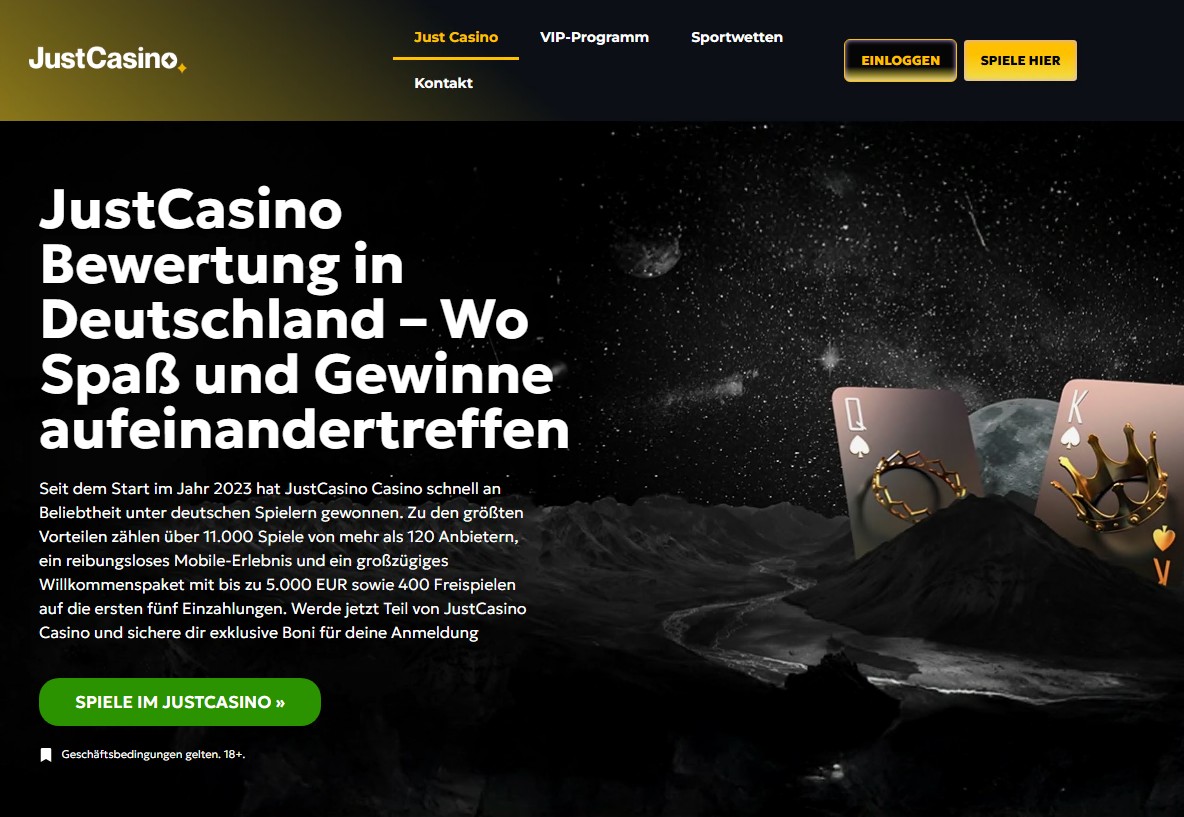
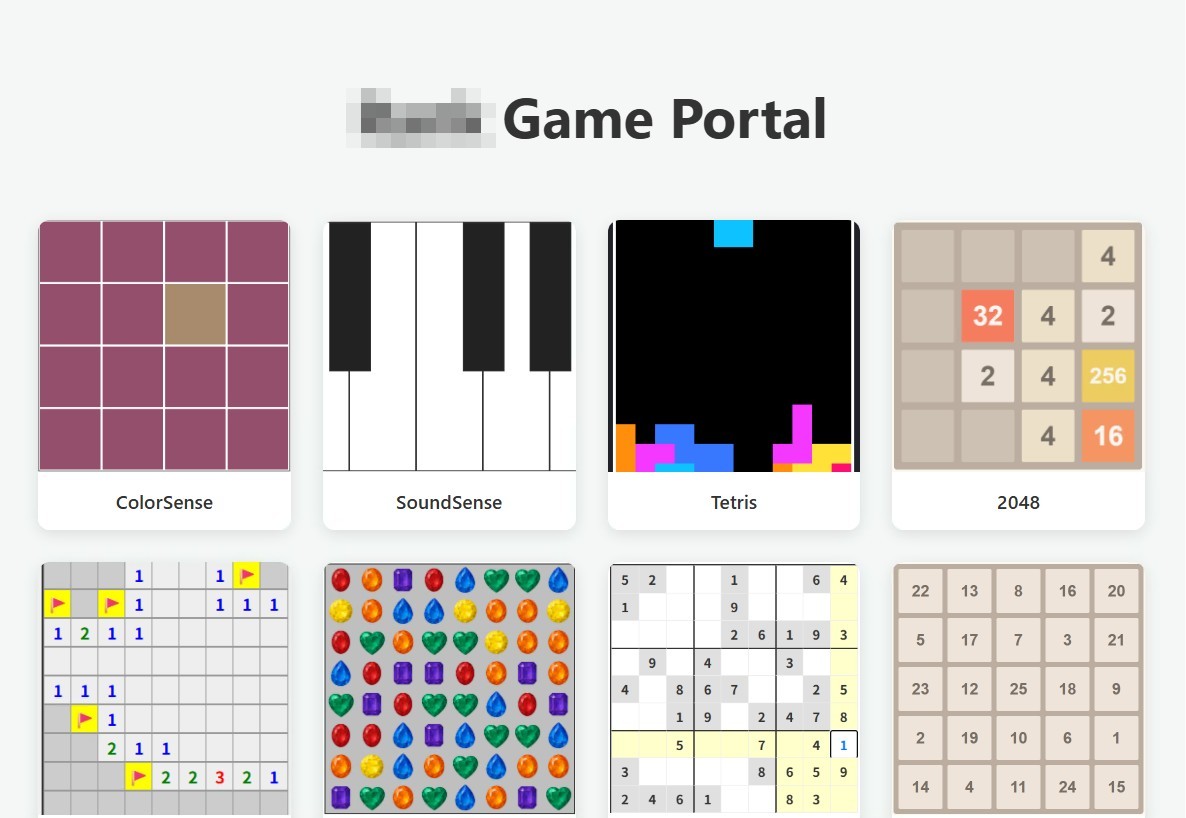
Potentially infringing websites (with screenshots anonymised) associated with brand-specific domain names.
On this basis, it was possible – from within a ‘raw’ dataset of potentially many tens or hundreds of thousands of domains relating to these ‘tricky’ brand names – to quickly identify a small number of relevant high-priority findings, as a demonstration of the scope of the infringement landscape.
The identified examples included instances of potential brand impersonation, phishing, misdirection (i.e. use of the brand name in the domain name, but with an associated website featuring third-party branding), and the distribution of apparently unofficial mobile apps.
Exactly the same general filtering and prioritisation approaches can be applied in a live client service, to identify the most relevant results and build efficiency into the review process.
If you have any questions or comments about any of the areas covered in the Brand Protection Notebook blog series, maybe you’d like to discuss any of the topics in more detail, or if you have any suggestions about areas to be covered in future editions, then please don’t hesitate to get in touch.

David Barnett
SnapDragon | Director of Brand Protection
Want to see how SnapDragon’s AI-powered Tech can protect your brand?
If you would like to explore how SnapDragon can accelerate your online brand protection, get in touch to schedule a demo.
We would love to hear from you, and show you what’s possible.
Get in touch today.