
Share this resource
For many brands, summer is synonymous with increased consumer spending.
Holiday bookings surge, outdoor events fill calendars, and demand rises for everything from event tickets to fashion and cosmetic products. Unfortunately, this seasonal shift in consumer behaviour also creates fresh opportunities for counterfeiters to take advantage of.
According to Santander UK, holiday-related scams were used to steal £42,773.62 between April and June of this year in the UK alone, highlighting the growing prevalence of seasonal fraud as consumers prepare for their summer getaways (The Standard). And with July and August representing the peak of the holiday period, brands should be prepared for a rise in counterfeiting, online impersonation, and other forms of brand abuse.
For brand owners, this seasonal spike isn’t just a consumer protection issue, either. Many travel-related scams rely on the unauthorised use of trusted brands, trademarks, and intellectual property to appear legitimate, putting reputation, revenue, and customer trust on the line.
So, what are the biggest risks brands face during the summer holiday season? Here are some of the most common scams and counterfeit trends we are seeing.
Fake SPF products
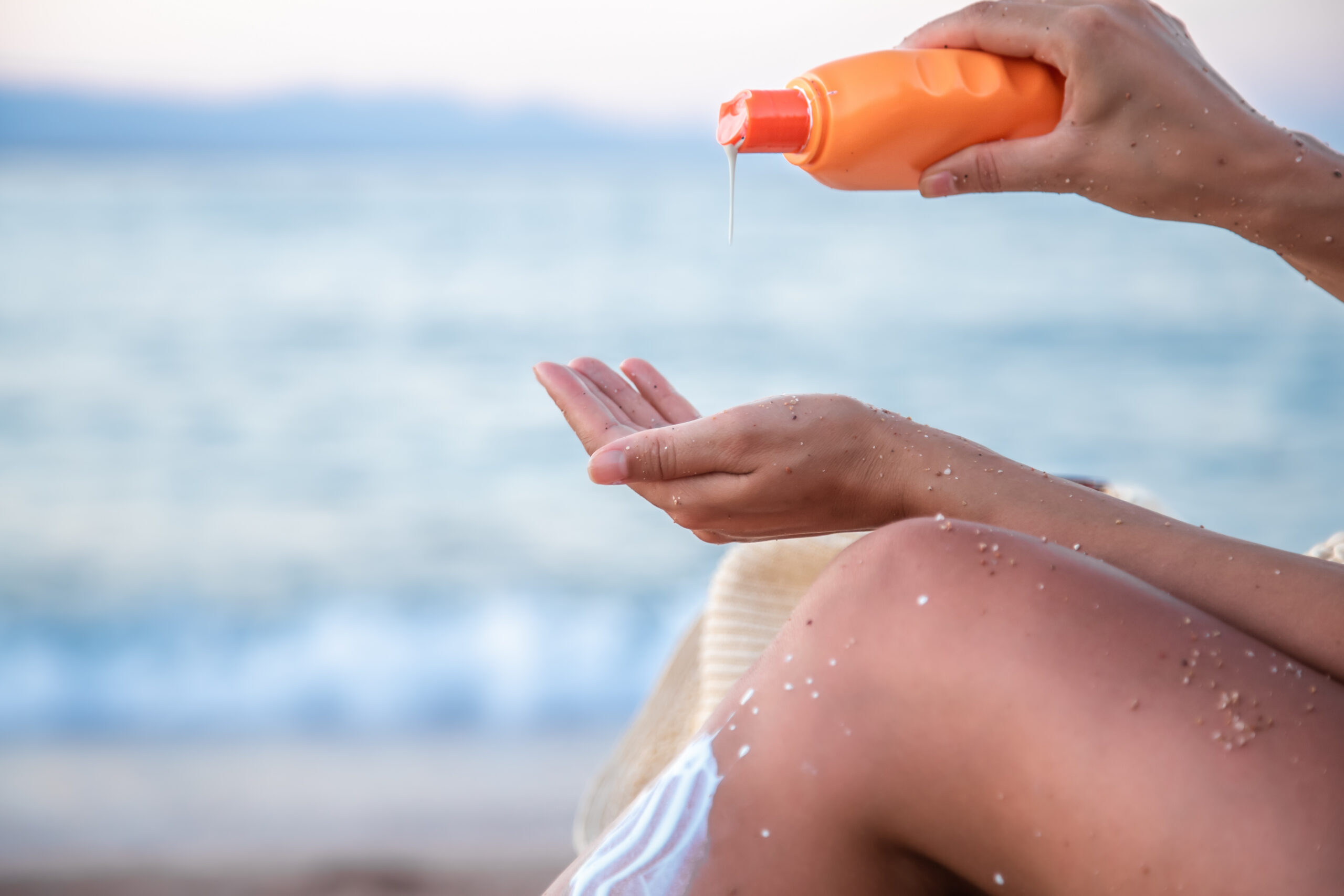
Sun cream is one of the most concerning product categories targeted by counterfeiters. Beyond financial loss, fake SPF products create direct risks for consumers when they fail to provide the protection they claim to deliver.
As part of our recent webinar with TikTok Shop on the rise of dupe culture in the beauty industry, cosmetic chemist Kelly Dobos discussed the importance of consumer education in helping shoppers recognise potentially harmful counterfeit products.
"As sunscreen brands work to promote sun safety, educating consumers about counterfeit products should be part of the conversation, too. Fake sunscreens may fail to deliver the labeled SPF, contain questionable ingredients, or be manufactured without appropriate quality controls. All putting consumers at risk while undermining trust in legitimate products."
Kelly Dobos, Consultant Cosmetic Chemist
With demand for SPF products increasing during the summer months, counterfeiters often target online beauty marketplaces and social media platforms to reach consumers directly when they are searching for holiday essentials.
For brands, monitoring unauthorised sellers and suspicious listings it is particularly important during peak travel periods, when purchasing decisions are often made quickly and online. To help brands combat this increased risk, there is a downloadable guide on how to educate consumers about counterfeit sun cream.
Download the guide now
Download a PDF guide on how to educate consumers about counterfeit sun cream. It includes 7 steps consumers can take to check their sun cream is genuine.
Impersonating airline and travel booking websites
Summer travel creates a huge surge in online bookings, making airlines, hotels, holiday providers, and travel agencies attractive targets for counterfeiters. Fraudsters frequently clone trusted travel websites during peak booking periods, using copied branding and imagery to create convincing but fraudulent platforms.
Common tactics include:
- Creating lookalike websites and domains
- Copying legitimate logos, branding, and imagery
- Using paid search or social media advertising to attract traffic
- Collecting payment details without providing valid bookings
- Harvesting customers’ personal information through phishing scams
Since these scams rely heavily on brand impersonation, they significantly erode brand value and consumer trust — even when the legitimate company has no involvement.
For travel brands, monitoring for lookalike domains, fake advertisements, and impersonation across search engines, social platforms, and online marketplaces is essential during peak booking periods like summer.
Counterfeit swimwear, sunglasses, and holiday apparel
Summer fashion is another product category that sees increased attention from counterfeiters as consumers prepare for holidays. From swimwear and sandals to designer sunglasses, warm-weather apparel provides significant opportunities for fraudsters to exploit trusted brands.
Imitation products often replicate brand logos, packaging, and marketing materials with surprising accuracy, making it difficult for consumers to distinguish genuine products from counterfeit alternatives. These products are frequently promoted through discounted “summer sale” offers, only for customers to receive goods that fail to meet the quality, performance or ethical standards associated with the original brand.
As part of our work protecting brands from online infringement, we have seen firsthand how quickly counterfeiters can target seasonal products when consumer demand rises. For example, we work with Bikinis Guadalupe Cid, a sustainable swimwear brand producing bikinis from recycled ocean plastic waste. The brand was targeted by low-quality copycats across global marketplaces, including Alibaba and Amazon, with sellers replicating its designs and undermining both its reputation and sustainability commitments.
Through proactive monitoring and enforcement, we helped identify and remove counterfeit listings, protecting the brand’s intellectual property and ensuring consumers could continue to purchase genuine products with confidence.
Read the full case study to learn how we helped Bikinis Guadalupe Cid tackle counterfeit swimwear listings.
Fake tickets for events and experiences
Consumers’ summer calendars are often filled with concerts, festivals, sporting events, and tourist attractions, creating further opportunities for counterfeiters and scammers.
Fraudulent ticket sellers often target consumers searching for sold-out events or discounted experiences, using unofficial websites or social media accounts to promote fake tickets. Common tactics include:
- Selling non-existent event tickets and attraction passes
- Duplicating legitimate QR codes
- Impersonating official resale partners
- Creating fraudulent customer support channels.
The impact extends beyond the individual transaction. When customers arrive at an event or attraction only to discover their tickets are invalid, frustration is often directed towards the genuine organiser or brand.
Businesses operating in entertainment, sport, and tourism should consider monitoring not only counterfeit tickets, but also impersonation attempts across social platforms, online marketplaces, and resale channels.
Counterfeit travel accessories
Travel accessories are another category that sees increased counterfeit activity during the summer months. As consumers stock up on essentials ahead of holidays and trips abroad, festivals and events. Products designed to make travel easier — from portable electronics to luggage and outdoor equipment — are frequently targeted by sellers looking to profit from seasonal demand.
Common counterfeit travel products include:
- Luggage and backpacks
- Travel adapters
- Portable chargers and power banks
- Headphones and electronic accessories
- Outdoor and camping equipment
For electronic accessories in particular, counterfeit goods can present more serious risks. Poor-quality chargers, adapters, and power banks may malfunction or overheat when consumers rely on them most — creating potential safety concerns as well as customer dissatisfaction.
And as holiday shopping increasingly moves online, maintaining visibility across marketplaces and identifying unauthorised sellers is key to ensuring consumers can access genuine products when preparing for their travels.
Why seasonal trends matter
Counterfeiters don’t operate randomly. They follow consumer demand.
As buying habits shift throughout the year, infringers quickly adapt by targeting products, services, and experiences that consumers are actively searching for. Summer travel creates a particularly attractive environment because purchasing decisions are often time-sensitive, and made online.
This means brand protection strategies should also become more responsive to seasonal risk patterns. Monitoring marketplaces, identifying fraudulent websites, tracking social media impersonation, and responding quickly to emerging threats can help reduce both financial losses and reputational damage.
How SnapDragon can protect your brand from summer scams
Seasonal peaks create new opportunities for counterfeiters, but brands don’t have to manage these threats alone. A proactive brand protection strategy can help identify infringement early, remove harmful listings, and reduce the impact of counterfeit and impersonation activity.
At SnapDragon, we combine expert monitoring, advanced AI technology, and effective enforcement to help brands detect and tackle online infringement across digital channels. By identifying emerging threats and taking action against unauthorised sellers, we help businesses protect their intellectual property and ensure customers can confidently purchase genuine products.
Whether your brand faces counterfeit goods, impersonation attempts or unauthorised marketplace sellers, our team can help you understand your risks and build a protection strategy tailored to your needs.
Want to see how SnapDragon’s AI-powered software can protect your brand?
If you would like to explore how we can accelerate your online brand protection, staying on top of seasonal trends, then get in touch to schedule a demo.
We would love to hear from you, show you what’s possible, and get you protected from online threats.
Request a Demo

SnapDragon
Follow us on LinkedIn