In my previous blog, The Shift from Reactive to Resilient: The Future of Brand Protection in Beauty, I explored how the Beauty industry’s threat landscape has evolved.
Counterfeit listings are no longer the only brand threat. Today’s beauty brands face a far more complex ecosystem where imitation spreads through creators, algorithms, affiliate marketing and social commerce before a counterfeit product is ever listed for sale.
The rise of creator-led dupe platforms demonstrates exactly why this shift matters.
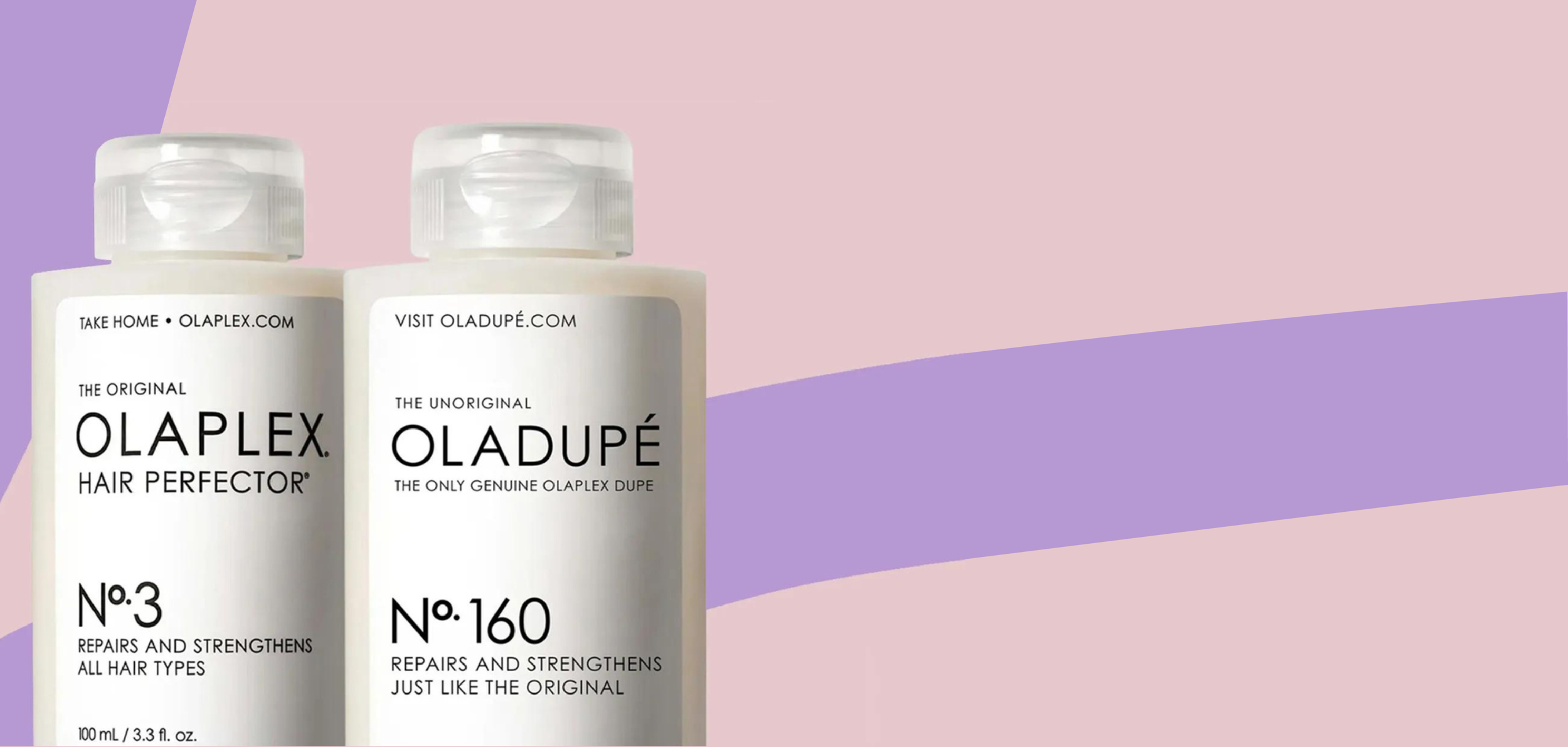
One example is the “OLADUPE” campaign, where the brand OLAPLEX created a platform built around helping consumers find lower-cost alternatives to premium beauty products. They set out to do something no one else has done before – turning dupe culture on its head through the launch of its fictitious product, OLADUPÉ 160.
The press extensively covered the campaign, with quotes such as, “They say that imitation is the sincerest form of flattery but, in this instance, OLADUPÉ will surely go down in beauty folklore as the ultimate clap back to dupe culture,” from Glamour.
Rather than operating as a traditional marketplace selling counterfeit goods, it represents something more nuanced—and potentially more influential. It demonstrated innovative ways that brands can respond to the dupe movement in a smart and emotionally motive way. In this case study example consumers who clicked the link to purchase the dupe product were met with the message “You Got Duped!” The goal of the campaign was to fight back, transparently, about cheaper alternatives that are not the same as patented genuine products. It also highlights how brand value can be diluted long before intellectual property is directly infringed.
The evolution of dupe culture
For years, creators have compared luxury products with more affordable alternatives through YouTube reviews, TikTok videos and Instagram posts. These comparisons have become a staple of beauty content and dialogue for years, driven by consumers looking for accessible products during a time of rising living costs.
What has changed is the scale and the approach.
Instead of relying on individual creators producing one-off comparison videos, dedicated platforms are now organising and amplifying dupe discovery. They aggregate products, optimise for search visibility, and encourage consumers to begin their purchasing journey by looking for an alternative rather than the original product.
That represents a fundamental shift in how consumers discover, evaluate and purchase alternative products.
Why the OLADUPE model matters
The OLADUPE campaign wasn’t simply publishing comparison content.
It also created a searchable destination where consumers actively looking for substitutes to established beauty brands would find it.
For brand owners and managers, this creates several new considerations.
First, premium brands may increasingly become reference points rather than purchase destinations. Consumers search for the original product only to be redirected towards a cheaper alternative.
Second, these platforms often combine creator influence with affiliate marketing, giving them commercial incentives to promote alternatives at scale. This means they become direct competitors of the genuine brand.
Finally, since these platforms operate outside traditional marketplaces, they can fall beyond the scope of many existing brand protection programmes that focus primarily on counterfeit listings.
This illustrates a very important point: not every brand threat begins with a fake product.
When comparison becomes brand risk
Consumers are entitled to compare products and make informed purchasing decisions.
However, the digital ecosystem surrounding dupe culture introduces wider brand protection challenges.
These include:
- Extensive use of registered brand names to drive search traffic
- Reproduction of official product imagery and marketing assets
- Close imitation of packaging, colour palettes and overall presentation
- Creating customer confusion around brand relationships or endorsements, reducing brand loyalty and trust
- The gradual erosion of premium brand positioning
Viewed individually, each instance may appear relatively low risk. Viewed collectively, they reveal how significantly digital channels can reshape brand perception over time.
“Instead of relying on individual creators producing one-off comparison videos, dedicated platforms are now organising and amplifying dupe discovery. They aggregate products, optimise for search visibility, and encourage consumers to begin their purchasing journey by looking for an alternative rather than the original product”.
Beyond counterfeits: protecting brand equity
Our previous article argued that resilience comes from monitoring the entire digital ecosystem—not just online marketplaces. The Oladupe case example reinforces that message.
Brands should now be monitoring:
- Creator-led recommendation platforms
- Affiliate websites
- Search engine results
- Social commerce
- Product comparison sites
- AI-powered shopping experiences
- Emerging discovery platforms
These channels influence purchasing decisions long before customers reach an authorised retailer. For many beauty brands, these channels increasingly shape consumer perception before customers ever visit the official website or an authorised retailer, making them as much a marketing challenge as a legal one.
If they remain unmonitored, brands risk losing visibility over how their products are presented, discussed and compared online. As well as impacting their own marketing and SEO strategies by diluting the .
A more holistic approach to online brand protection
This doesn’t mean every dupe platform represents infringement, nor that brands should seek to remove all comparison content.
Instead, organisations need greater visibility into where legitimate comparison ends and where intellectual property misuse, misleading advertising or customer confusion begins.
That requires a broader online brand protection strategy—one capable of identifying patterns across multiple digital channels rather than responding to isolated incidents.
The most resilient beauty brands are already moving in this direction. They’re combining marketplace enforcement with trademark monitoring, image recognition, search intelligence and ongoing analysis of emerging digital threats. They are also reviewing the regular brand protection incident reports and using them to inform strategic planning.
Creator-led commerce continues to reshape the beauty industry.
As platforms like Oladupe demonstrate, the conversation is no longer limited to counterfeit products. Increasingly, brands must consider how their reputation, intellectual property and customer relationships are influenced by comparison platforms, creator ecosystems and algorithm-driven discovery.
The future of brand protection isn’t simply about removing infringing listings.
It’s about understanding every digital touchpoint where your brand is being discovered, discussed and, increasingly, diverted. It’s about using this information to feed into strategic planning and growth plans to protect revenue and brand trust.

Marta Guerreiro
SnapDragon | Sales Executive
Marta has a strong background in brand protection, competitive analysis, and risk assessments. Every day, she works with brands of all sizes, from emerging start-ups to global leaders, helping them understand the challenges of online threats and how to safeguard their intellectual property. With extensive experience in client engagement, strategic planning, and market research, she focuses on understanding each brand’s unique challenges and tailors solutions that match their specific needs. She is passionate and committed to protecting the creativity, reputation, and hard work that goes into every brand.