
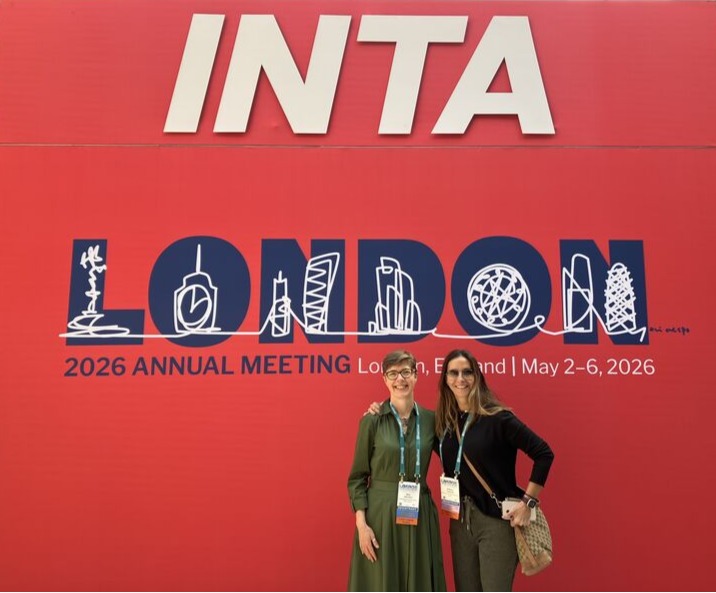
There are few events in our industry that truly bring together the global intellectual property community in the way that the International Trademark Association (INTA) Annual Meeting does each year.
This May, London welcomed more than 10,000 practitioners, brand owners, attorneys, judges, service providers, and innovators from around the world to converge and connect. After five remarkable days in the capital, I left with a renewed sense of optimism, and a clear view of the challenges ahead for our industry.
The INTA event has always been about much more than meetings and receptions. The schedule was packed, and it was a pleasure to reconnect with long-standing partners, clients and friends, while making many new connections across the global community. What continues to make this event unique is the collective willingness of the industry to share knowledge, debate emerging issues and collaborate in ways that ultimately strengthen the value of intellectual property worldwide.
The opening ceremony, led by INTA President Deborah Hampton, set an inspiring tone. Throughout the week, one message consistently surfaced across conversations, committee meetings and educational sessions: “brand trust matters more than ever”.
That trust is being tested.
The Understandable focus on Technology
Artificial intelligence is transforming how brands are created, marketed and protected. It is also accelerating the sophistication of infringement. Deepfakes, AI-generated content, counterfeit goods marketed through fragmented supply chains, and increasingly convincing fake endorsements are creating entirely new risks for businesses and consumers alike.
Yet, despite the understandable focus on technology, I was struck by something else. How the industry itself is evolving.
For decades, trademark protection, and IP protection more widely, was often viewed through the lens of registration and enforcement. Today, intellectual property professionals are increasingly expected to help businesses navigate reputation, authenticity and consumer confidence. In other words, we are no longer simply protecting rights. We are protecting trust.
This requires a much broader perspective.
Technology will undoubtedly become an increasingly important part of the solution. AI tools can augment research, identify risks and improve efficiency. However, technology alone cannot replace human judgement – I don’t think so in its current form anyway. The expertise of lawyers, attorneys and brand protection professionals remains essential. Strategy, experience and an understanding of commercial realities are what ultimately allow organisations to respond effectively to an increasingly complex landscape.
Perhaps that is why one of the most valuable aspects of the INTA event remains the community itself.
Some of the most important conversations I had took place away from the conference rooms. Over coffee. Between meetings. At receptions. In committee sessions. Those casual exchanges remind us that intellectual property has always been built on relationships and collaboration. The challenges facing brands are global, are constantly evolving, and no one organisation or jurisdiction has all the answers.
Education is a Powerful Tool
One highlight of my week was chairing the Unreal Campaign Committee meeting. Discussing together with passionate colleagues from around the world reinforced something I have believed for many years: education is one of the most powerful tools we possess.
The Unreal Campaign exists to inspire young people to understand the importance of intellectual property and to choose authentic products. During my visit to London, I had the privilege of presenting to 75 students. Their curiosity, enthusiasm and thoughtful questions were genuinely inspiring. Engaging with the next generation serves as a powerful reminder that the future of intellectual property is not just about enforcement, it is about awareness, responsibility and building trust from an early age.
As professionals, we often talk about protecting brands. Yet, brands themselves are ultimately built on confidence. Confidence that consumers place in quality, authenticity and integrity. Counterfeiting, misinformation and deceptive practices undermine that confidence.
Which brings me to my biggest takeaway from INTA London 2026: Intellectual property is no longer simply a legal asset. It is a business asset, a reputation asset and, increasingly, a trust asset.
As our industry embraces technological change, we must ensure that human values remain at its centre. Collaboration, education and innovation will all play a role, but trust is the foundation that connects them all.
INTA London 2026 reminded me why this community matters so much. It is not because thousands of professionals gather in one city for five days each year. It is because those five days represent something larger: a global commitment to ensuring that creativity, innovation and authenticity continue to thrive.
And that is a mission worth investing in.

Mary Kernohan
SnapDragon | CCO
Mary Kernohan is Chief Commercial Officer at SnapDragon and works closely with international clients to navigate the evolving landscape of IP theft. Her approach focuses on long-term brand integrity, helping companies maintain consumer trust.