For years, the beauty industry’s battle against counterfeits has focused on fake products, copied packaging and unauthorised online sellers.
Today, the counterfeit landscape is rapidly changing.
As brands invest in AI-powered skin diagnostics, and AI becomes embedded throughout the customer journey, with personalised skincare recommendations and virtual beauty consultations, counterfeiters are finding new ways to exploit consumer trust—long before a purchase is made.
This means that every digital interaction—from the first skin analysis to the final product recommendation—has the potential to influence consumer trust.
The next generation of counterfeiting isn’t just about copying the product. It’s about copying the experience.
A cloned website. A fake skin diagnostic. An AI chatbot offering personalised skincare advice. A counterfeit product recommended as the "perfect match." The deception begins long before checkout.
The Consumer Journey Is the New Target
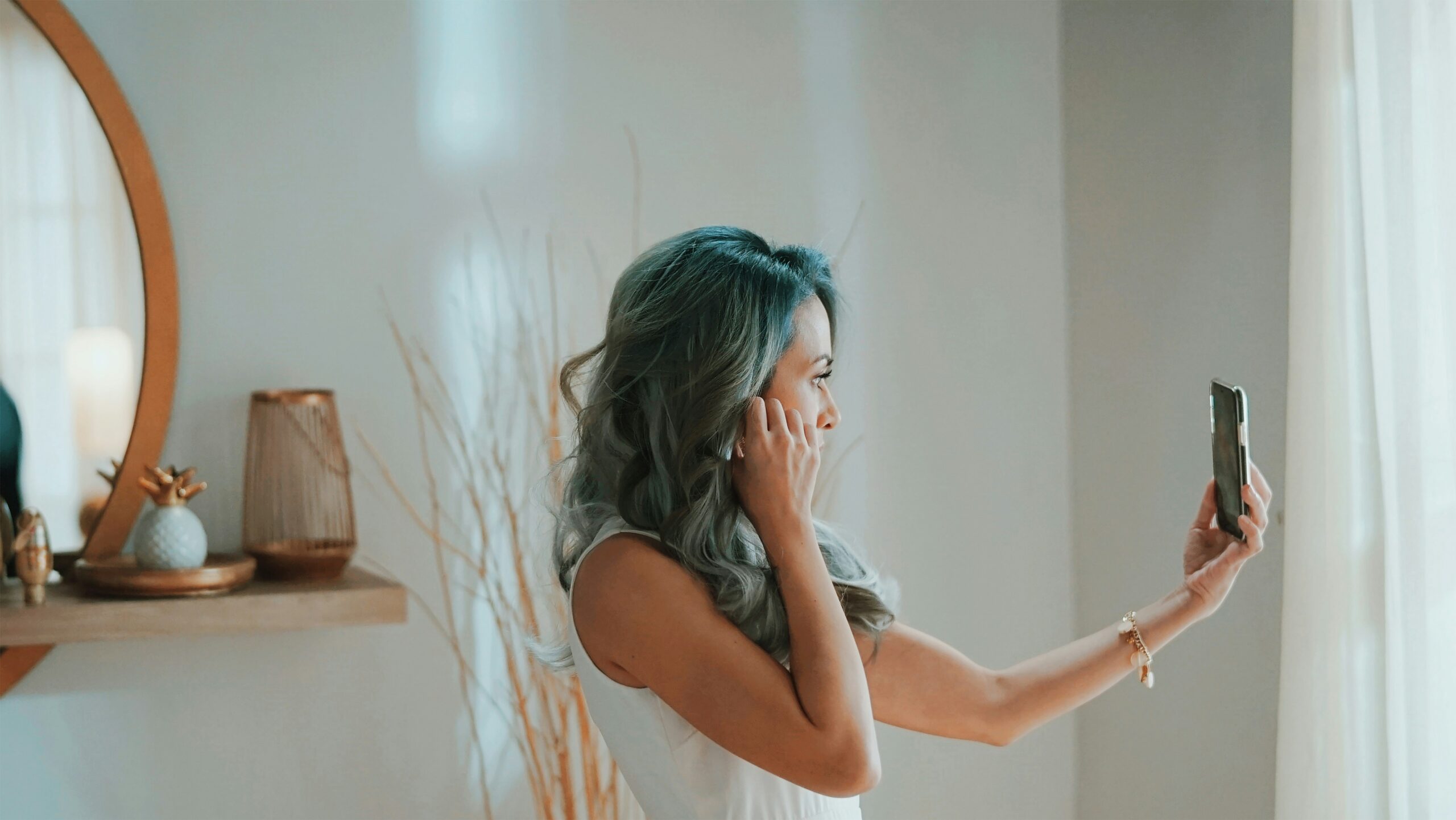
Today’s beauty consumer doesn’t simply buy a moisturiser, serum, mascara or lipstick. They upload a selfie for a skin analysis. They receive a personalised care routine.
With many of the world’s leading beauty brands harnessing AI to deliver personalised diagnostics and virtual consultations, consumers are increasingly interacting with AI-powered tools before making a purchase. As L’Oréal discussed at the VivaTech event in June, AI is reshaping the beauty industry by enabling increasingly personalised customer experiences.
These digital experiences have become powerful brand trust signals.
When a consumer receives a personalised recommendation from what appears to be a brand’s official diagnostic tool, they’re far more likely to believe the products recommended are authentic. Counterfeiters understand this.
Rather than simply selling fake products through marketplaces and platforms, they’re increasingly creating convincing digital ecosystems designed to imitate legitimate beauty brands, and going directly to customers.
A cloned website. A fake skin diagnostic. An AI chatbot offering personalised skincare advice. A counterfeit product recommended as the “perfect match.” The deception begins long before checkout.
“Beauty has always been a conversation, passed between generations and shaped by experts. And as LLM's and AI are now shaping this beauty journey, we have brought Beauty Genius to consumers with over 115 years of beauty knowledge at its source to redefine the dialogue”
Asmita Dubey, Chief Digital and Marketing Officer, L'Oreal
Why This Matters for Brand Managers and Digital Marketers
Consumers rarely distinguish between a poor product experience and a poor brand experience.
If a counterfeit skincare product causes irritation after being recommended through what appeared to be your diagnostic platform, your brand may still suffer the reputational damage—even if you were not involved. Research conducted through Ipsos Consumer Panels in the US confirmed that when consumers buy counterfeit products, (knowingly or unknowingly), the impact on trust can be immediate, with 44% reporting a decline, including 29% who say it dropped significantly.
Brand Protection is no longer limited to removing counterfeit product listings. Brands must also consider whether counterfeiters are attempting to replicate the digital experiences that build consumer confidence in the first place.
AI Diagnostics Are Valuable Brand Assets that should be Protected
An AI diagnostic tool represents much more than software. It embodies your brand’s expertise, dermatological and expert knowledge and a commitment to personalised beauty for customers.
It is also becoming one of the strongest signals customers use to determine whether they’re engaging with an authentic brand. That makes every element of the experience worth protecting.
The name of the diagnostic platform, the interface, the skin visualisations, the personalised reports, even the wording used to explain recommendations.
Each element contributes to consumer confidence—and each can become a target for imitation.
Building Layers of Protection
Protecting an AI-powered diagnostic experience requires more than securing the technology itself. The algorithms and training data that underpin your recommendations should remain confidential through robust trade secret practices and controlled access.
The visual assets—including skin maps, user interfaces and augmented reality experiences—can often be protected through copyright.
Distinctive names for diagnostic platforms, personalised routines and digital services should be secured through trademark registrations, making it easier to challenge impersonating websites and fraudulent marketing that attempts to imitate your brand.
Where diagnostics rely on proprietary scanners or imaging devices, patent protection may also play an important role.
Together, these rights create multiple layers of a defence strategy that strengthens enforcement when counterfeiters attempt to recreate the consumer journey—not just the product.
Brand Trust Is the Real Brand Asset
The industry’s future direction is clear: diagnostics are becoming an integral part of how consumers discover, evaluate and purchase beauty products.
That evolution also changes how counterfeiters operate. As AI becomes embedded throughout the customer journey, brands must think beyond protecting products alone. Every digital interaction—from the first skin analysis to the final product recommendation—has the potential to influence consumer trust.
For Brand Managers and Digital Marketing Managers, this presents a whole new challenge.
Counterfeit protection is no longer just about removing fake products from online marketplaces. It’s about protecting every digital touchpoint that reassures consumers they are engaging with the genuine brand.
Because in the age of AI, authenticity begins long before the product arrives in a customer’s hands.

SnapDragon
Follow us on LinkedIn
Want to see how SnapDragon’s AI can protect your brand?
If you would like to explore how SnapDragon can accelerate your online brand protection, get in touch with us to schedule a demo.
We would love to hear from you, show you what’s possible, and get you covered right away.
Don’t hesitate, get in touch today.